Kyryll DmytrenkoLondon, UK --:--:--
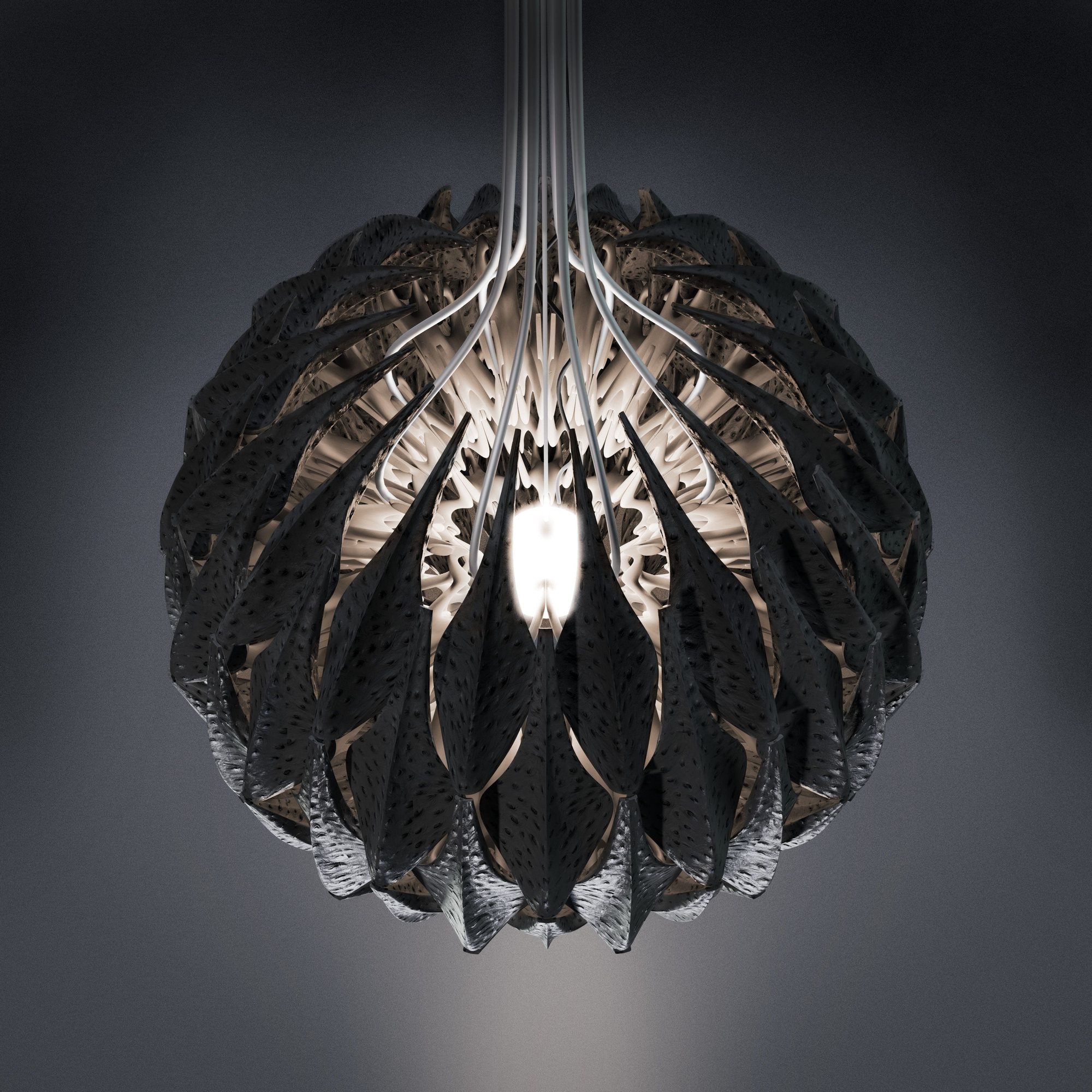
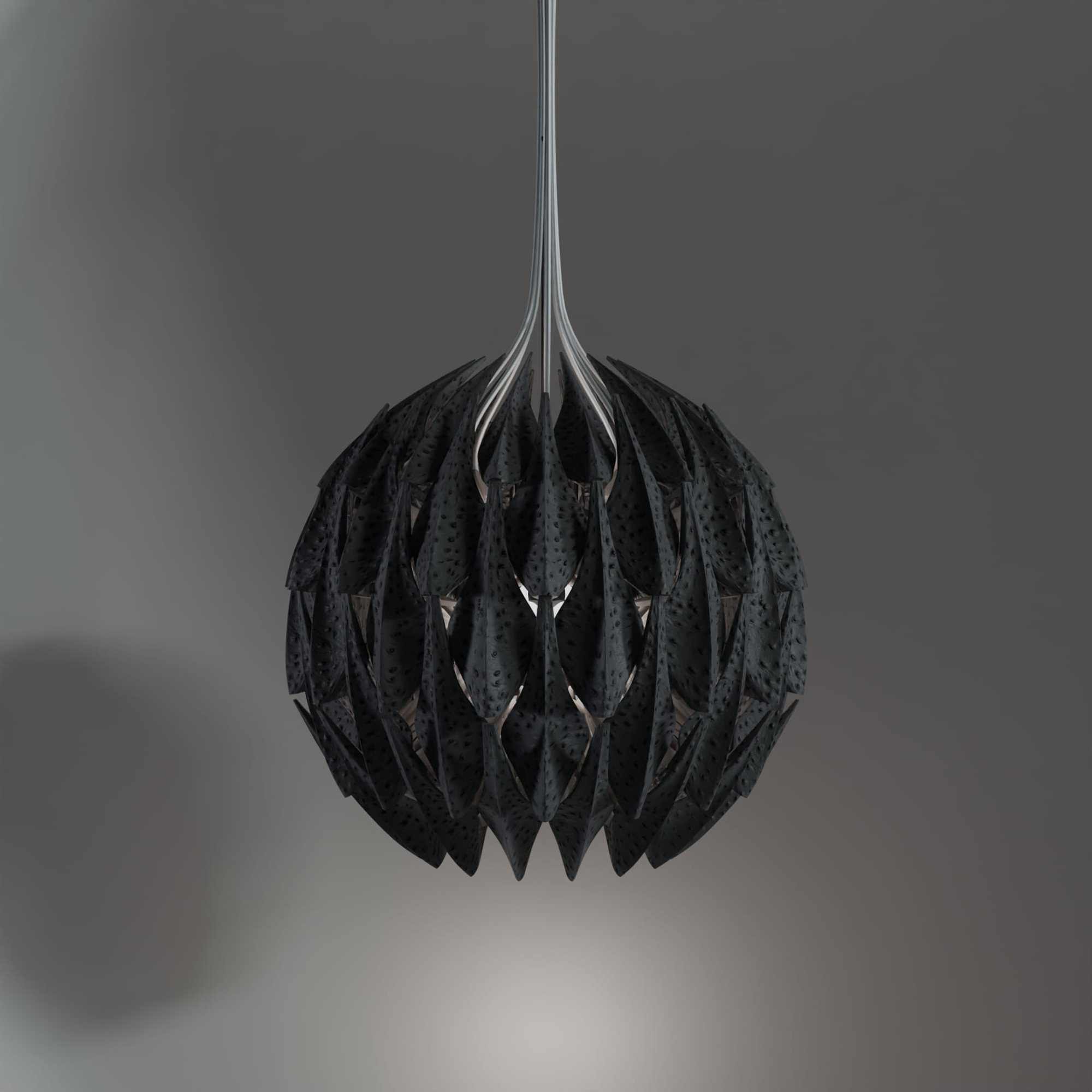
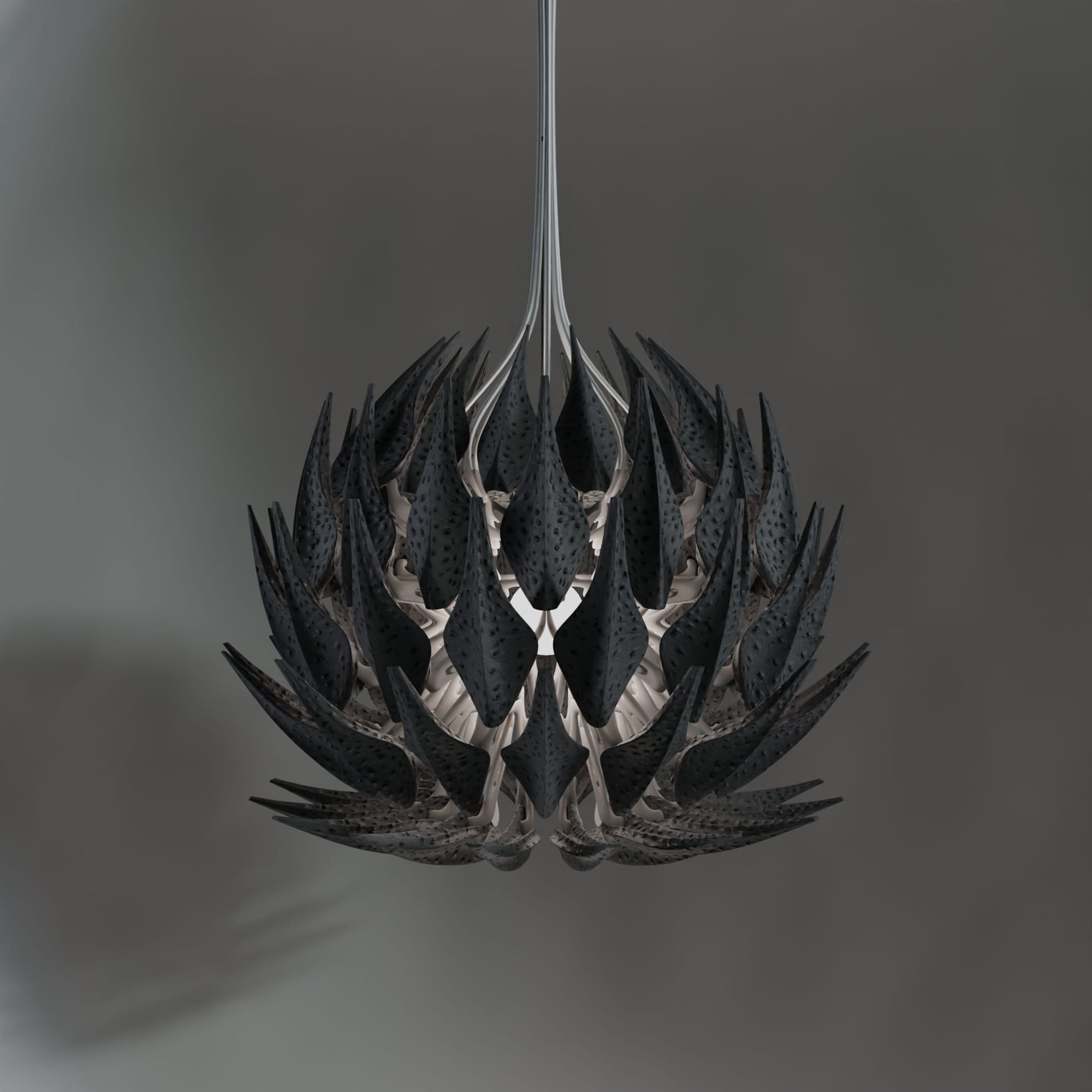
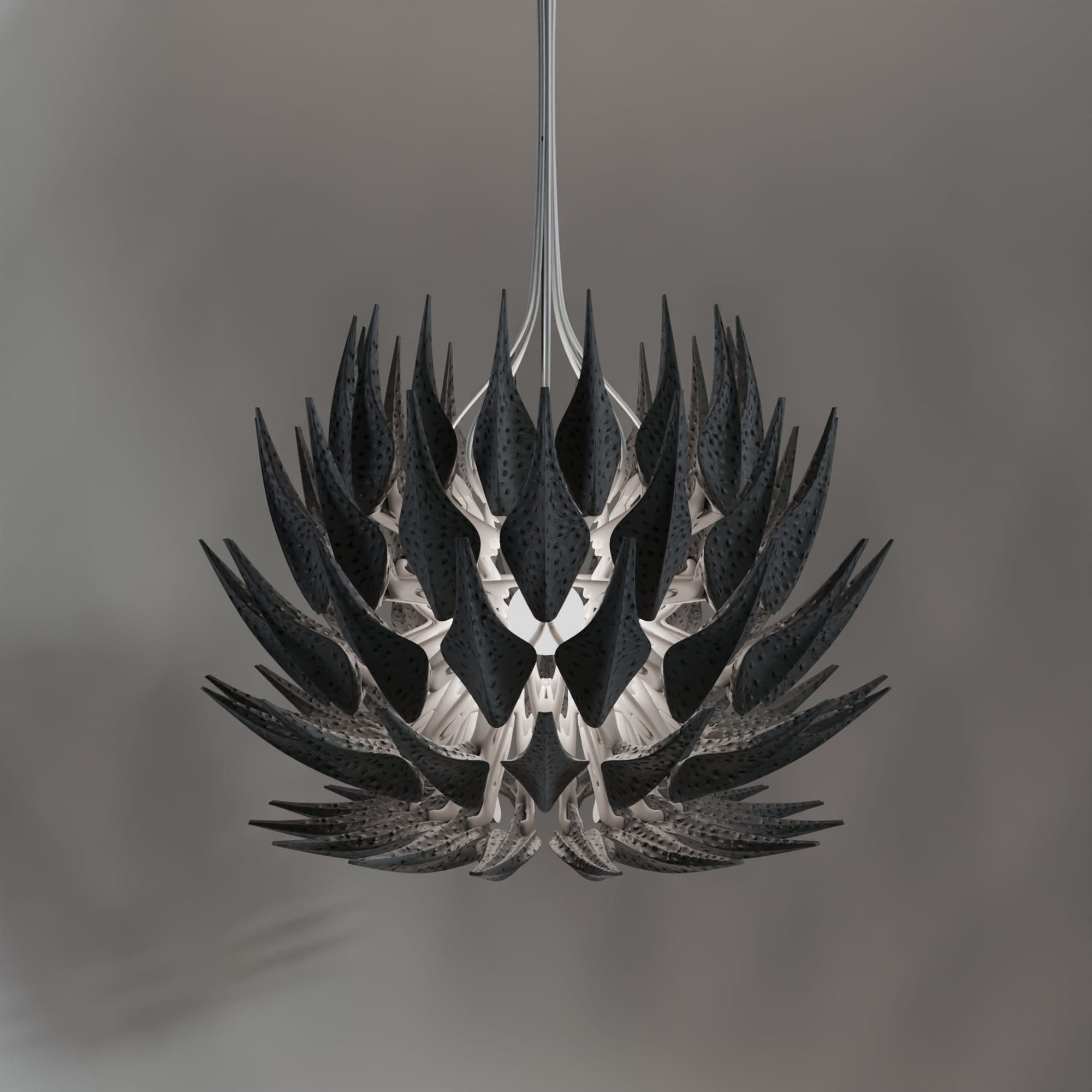
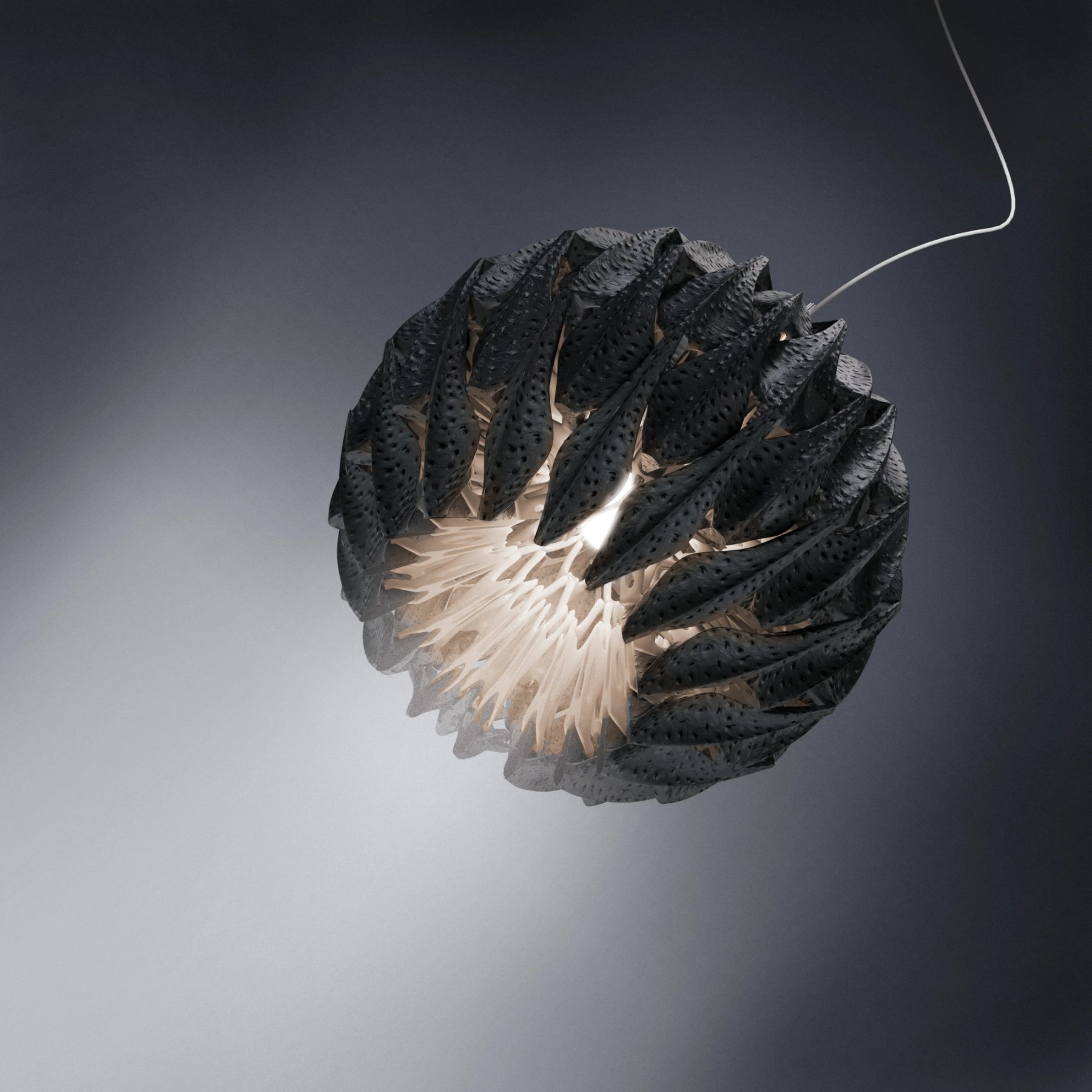
Xanthium Lamp — the segmented shell seen from the side, open
01 / 07

Creative imitation

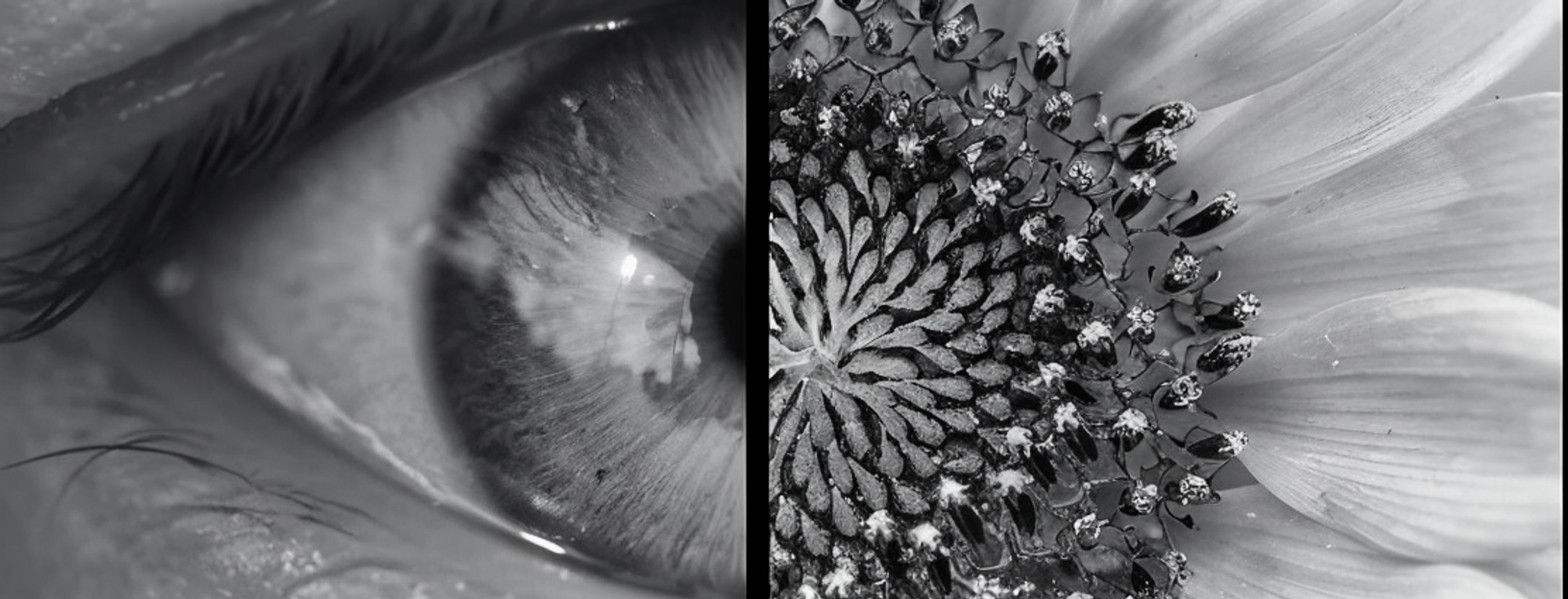
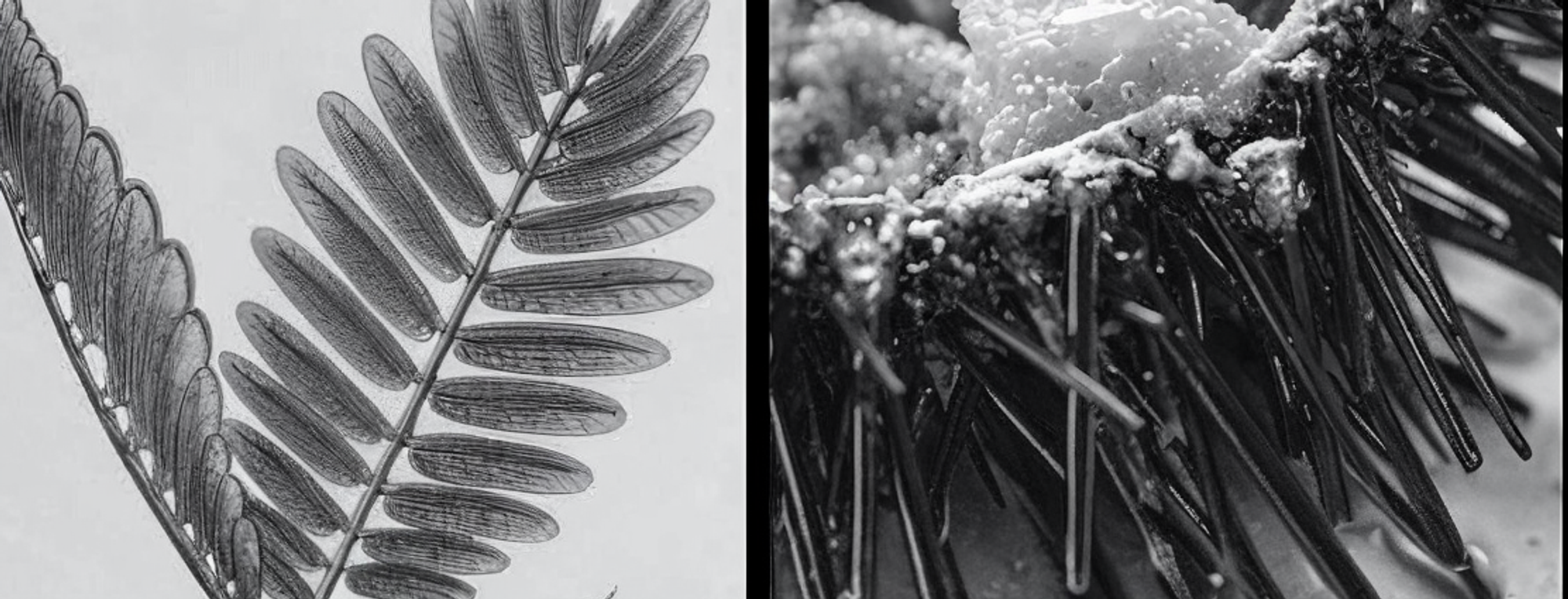
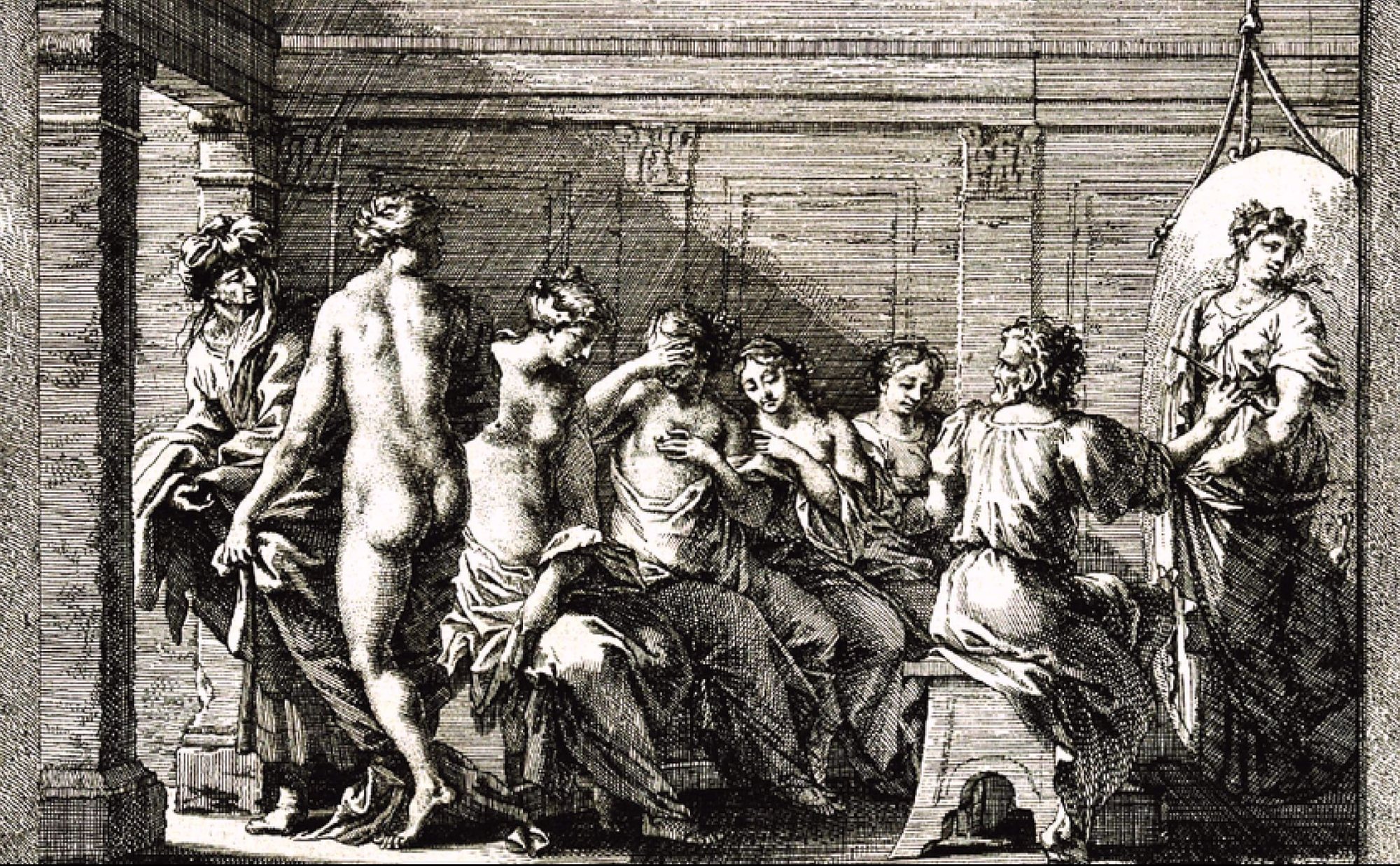
The project draws inspiration from the story of the ancient painter Zeuxis, who, in his pursuit of absolute beauty, combined features from several models to create a composite ideal in his painting, as discussed in the lecture by Mario Carpo.

Similarly, this project adopts a comparable approach. Instead of adhering to a singular reference or precedent, it embraces complexity and ambiguity by blending multiple references. This fusion results in a more intricate and multifaceted final design, mirroring the creative imitation process used by Zeuxis.
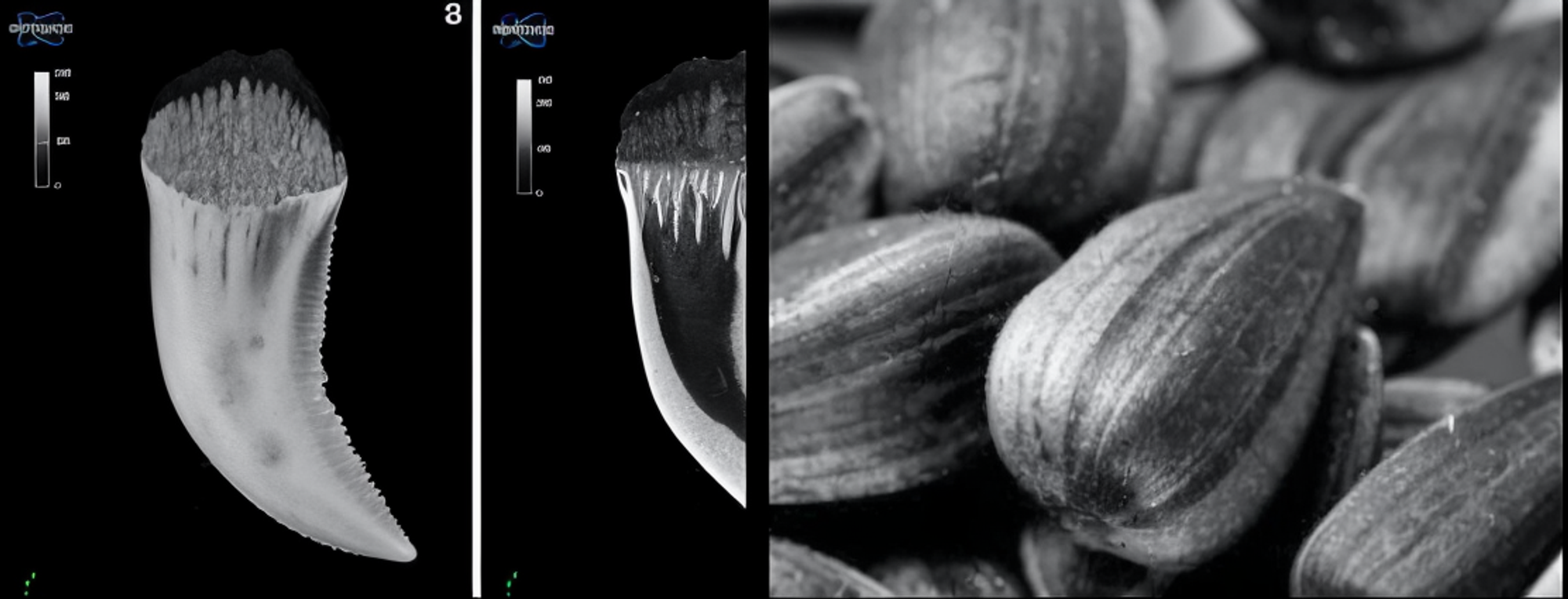
Board introducing the references behind the form
"Juno and her handmaidens seated before the painter Zeuxis"
Seeds vs teeth as references for Xanthium Lamp designed by Kyryll DmytrenkoEye vs sunflower as references for Xanthium Lamp designed by Kyryll DmytrenkoMimosa pudica vs sea urchin as references for Xanthium Lamp designed by Kyryll Dmytrenko
teeth vs seeds, eye vs sunflower, mimosa pudica vs sea urchin
02 / 07

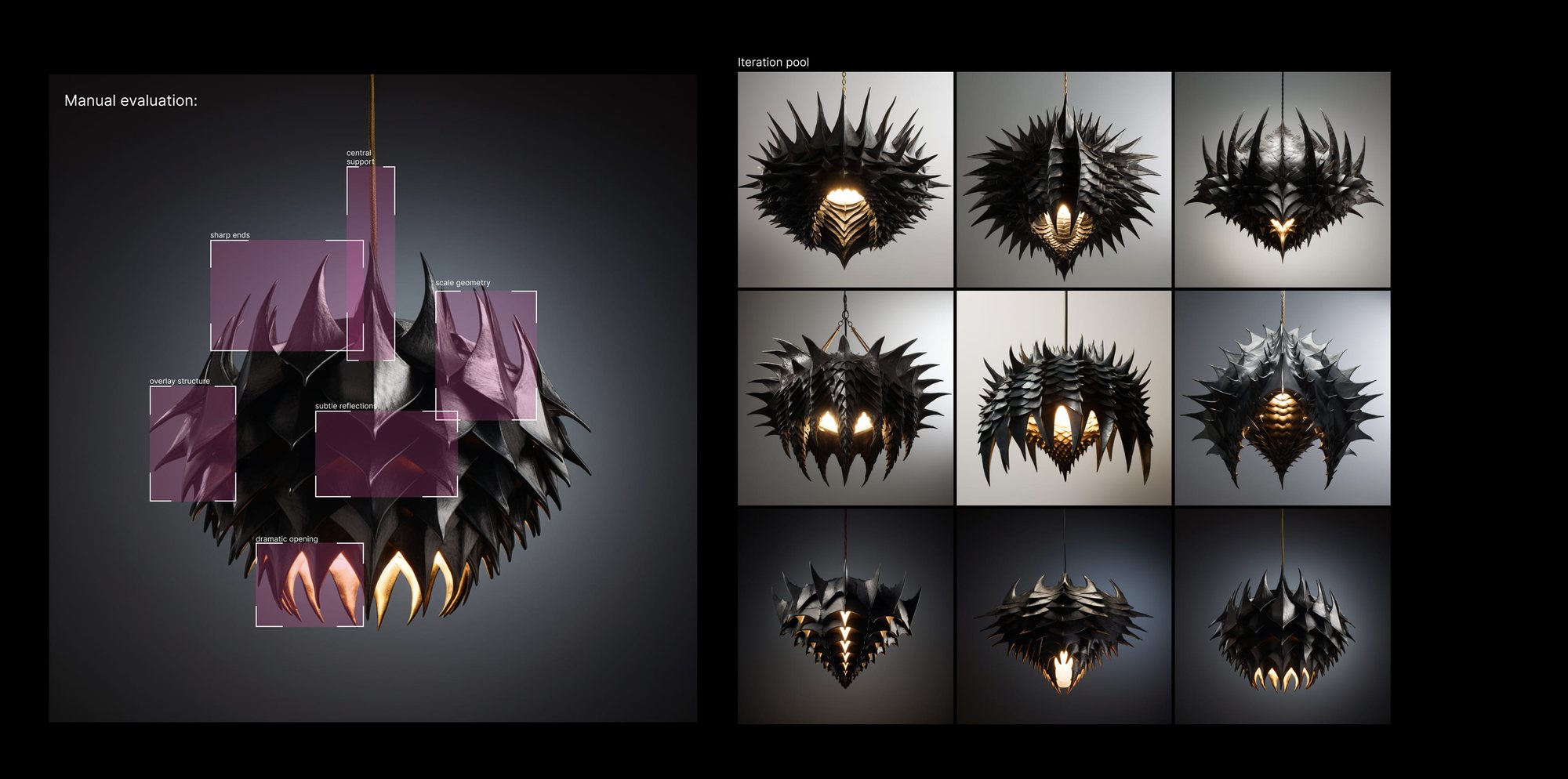
Form finding: AI sketching & post-rationalization

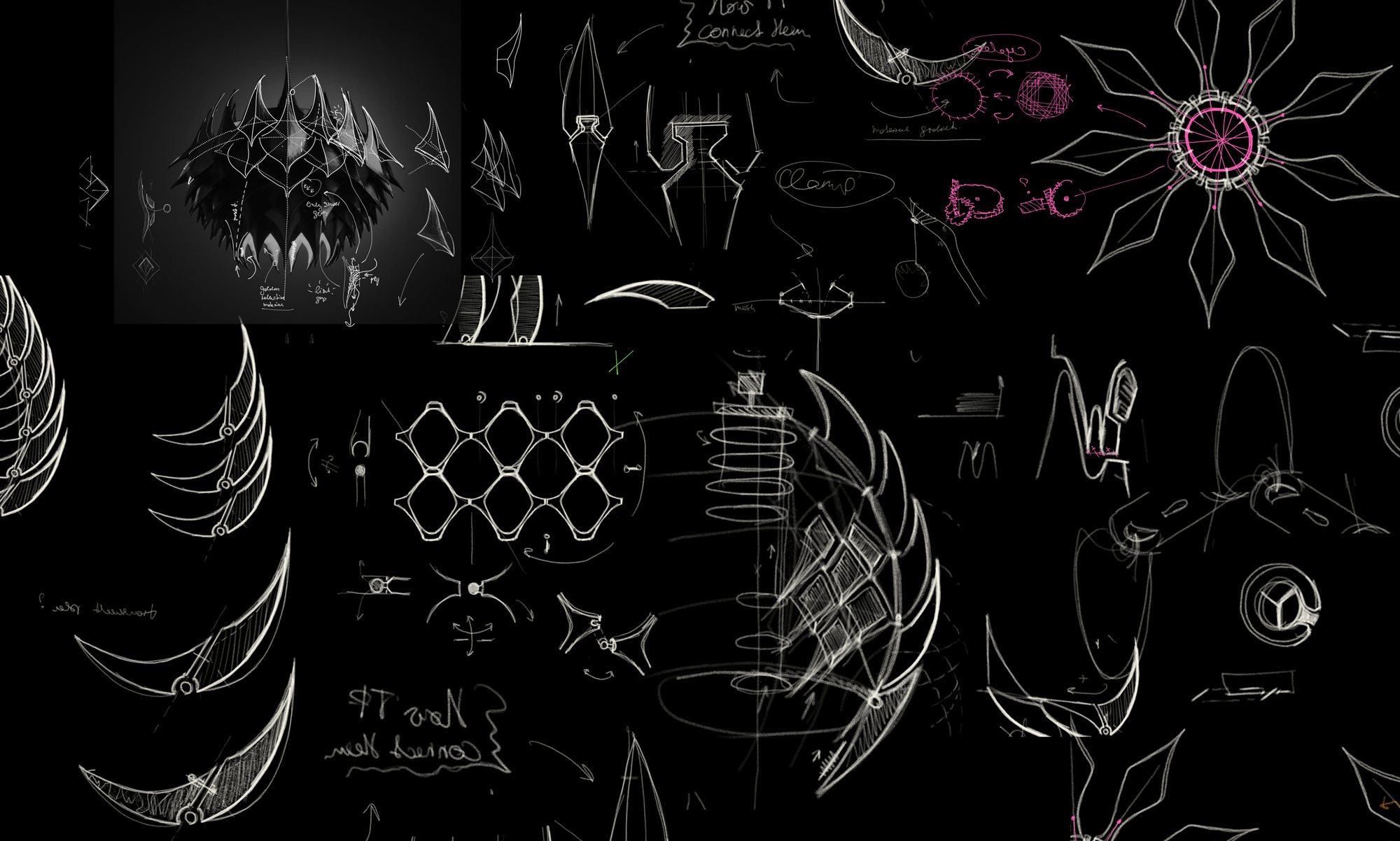
After settling on one image and its visual qualities, new ideas began to emerge and were translated into manual hand sketches.

A significant post-rationalization process followed. Given the need for the structure to be modular and easily assembled with minimal effort—using a desktop 3D printer—these constraints heavily influenced the geometry of the final module. This design was further refined using 3D modeling software, combined with a parametric sphere-based array to achieve a more precise and cohesive form.

Initial AI sketches done in Midjourney as a form exploration
Hand Sketches by Kyryll Dmytrenko rationalizing AI sketches into a final design
03 / 07

Parametric definition

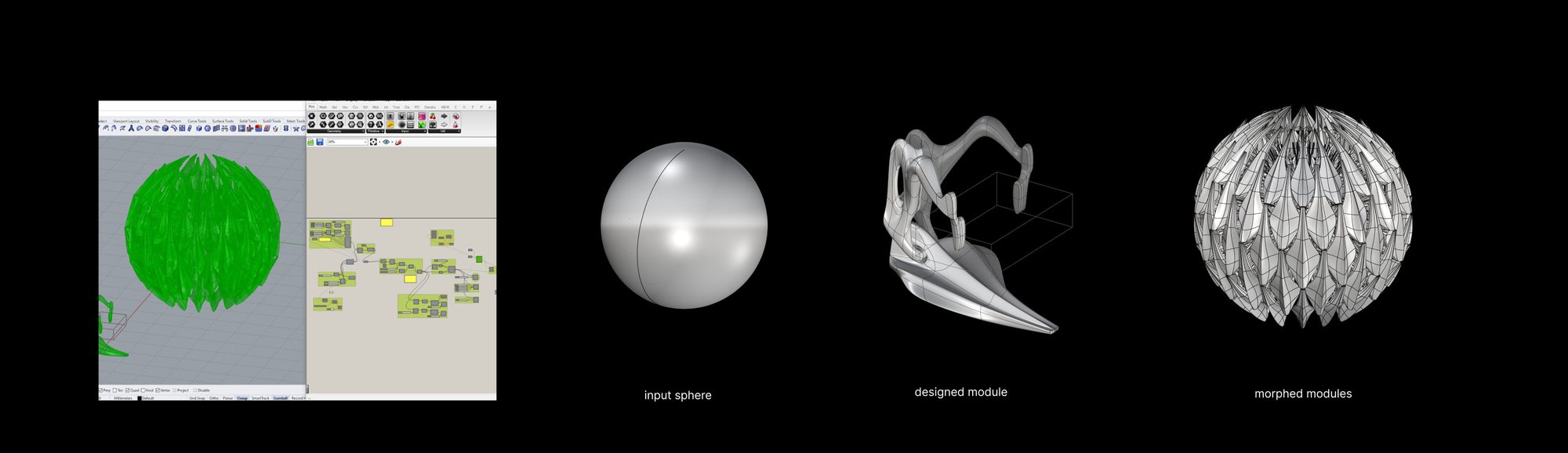
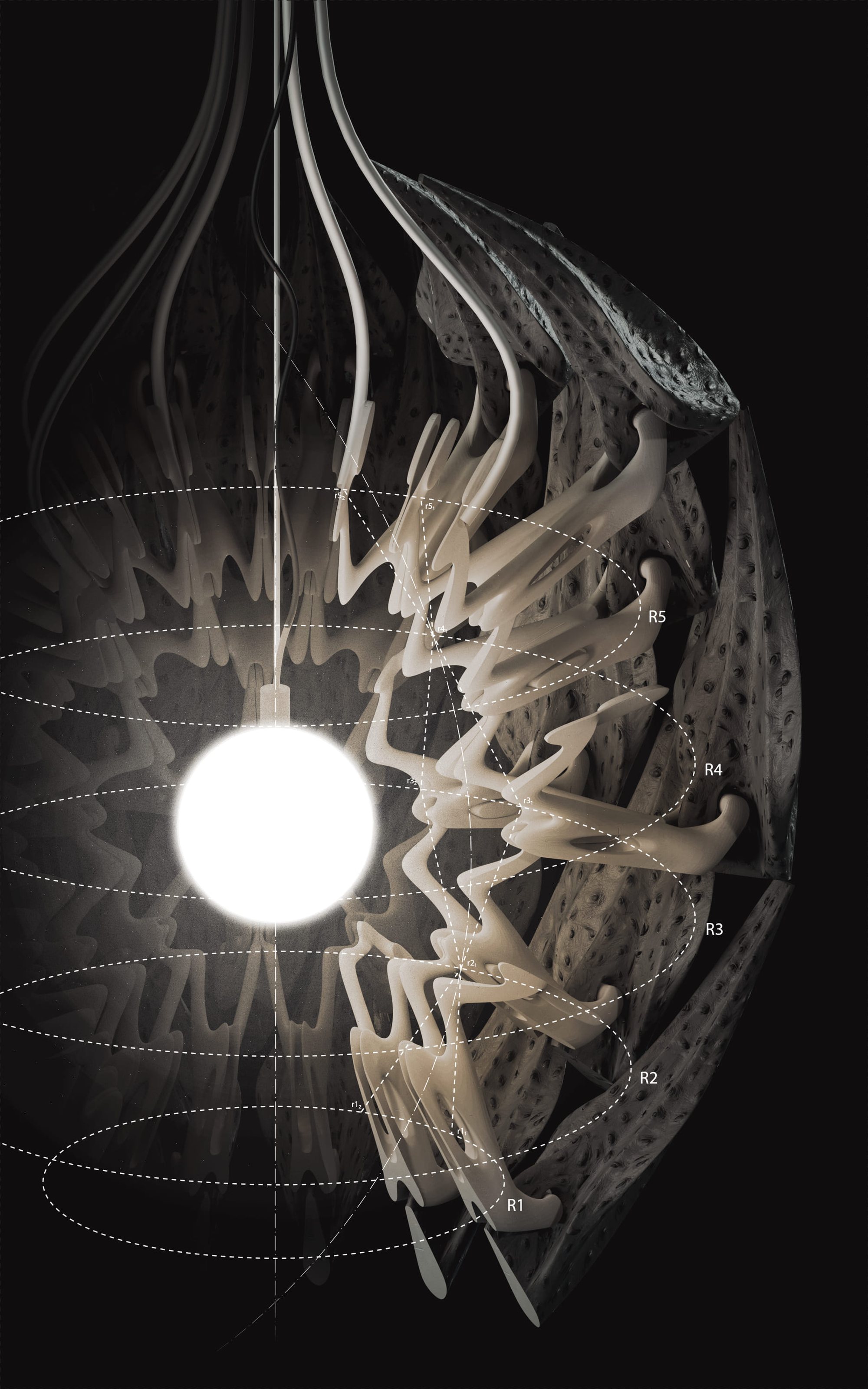
Following the logic of a radial array, a custom Grasshopper algorithm was developed using a base sphere and the primary design module as initial inputs. Through a sequence of transformations, the individual modules were morphed onto the spherical surface, generating a precise, fabrication-ready 3D model.

This parametric approach enabled rapid, iterative design testing while maintaining full control and precision over the final geometric form.

Parametric definition to build Xanthium Lamp, based on Rhino subD and Grasshopper
04 / 07

The object

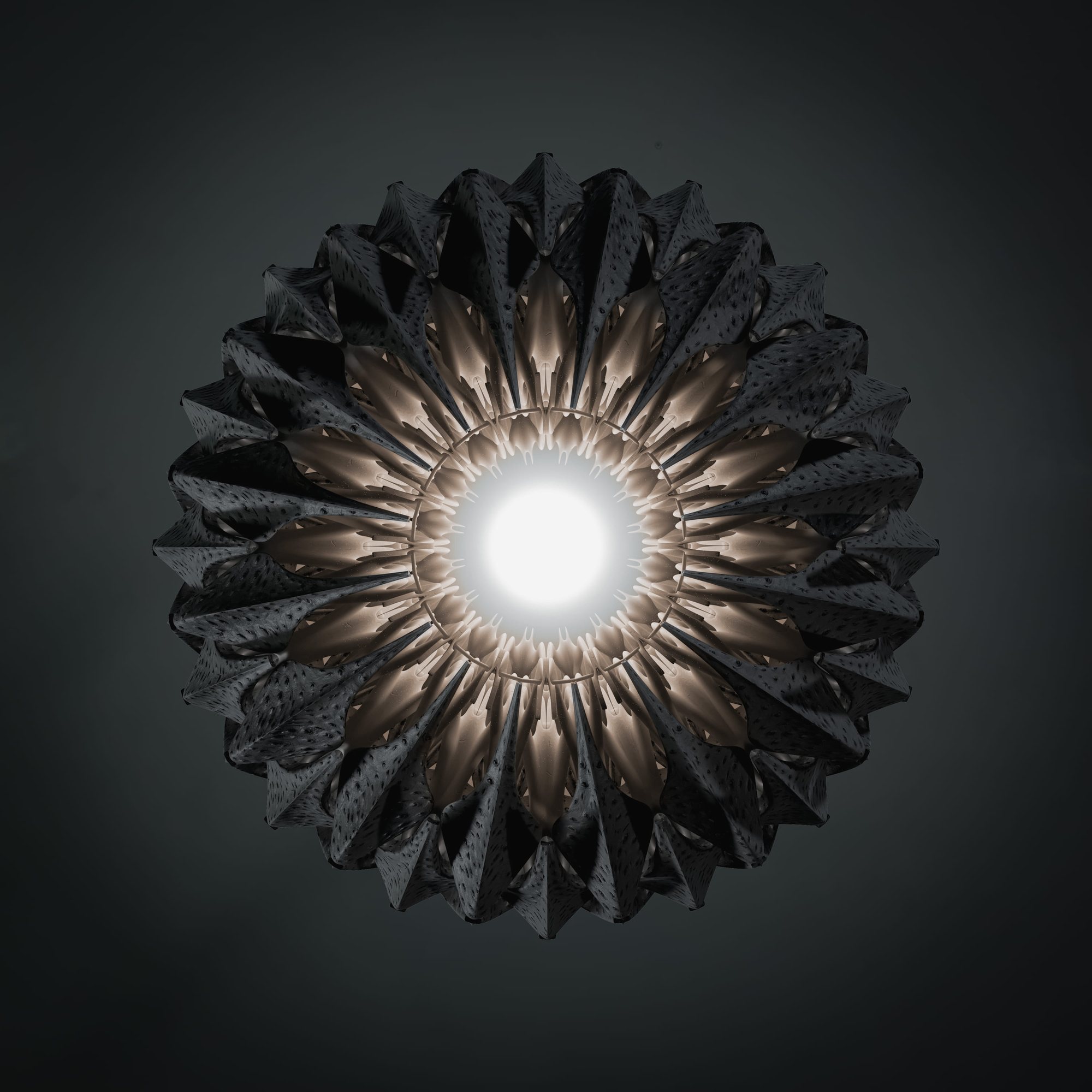
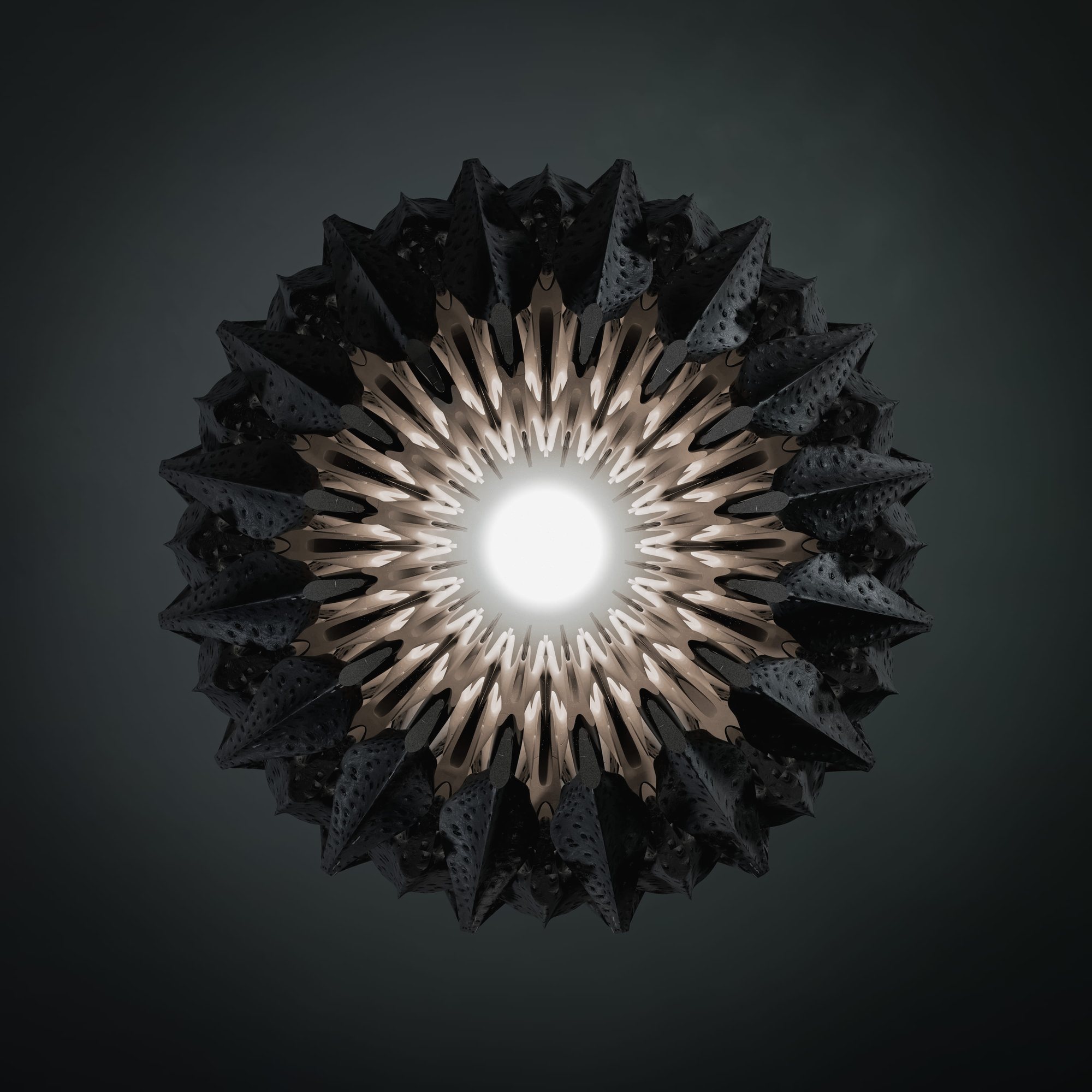
The lamp seen from above
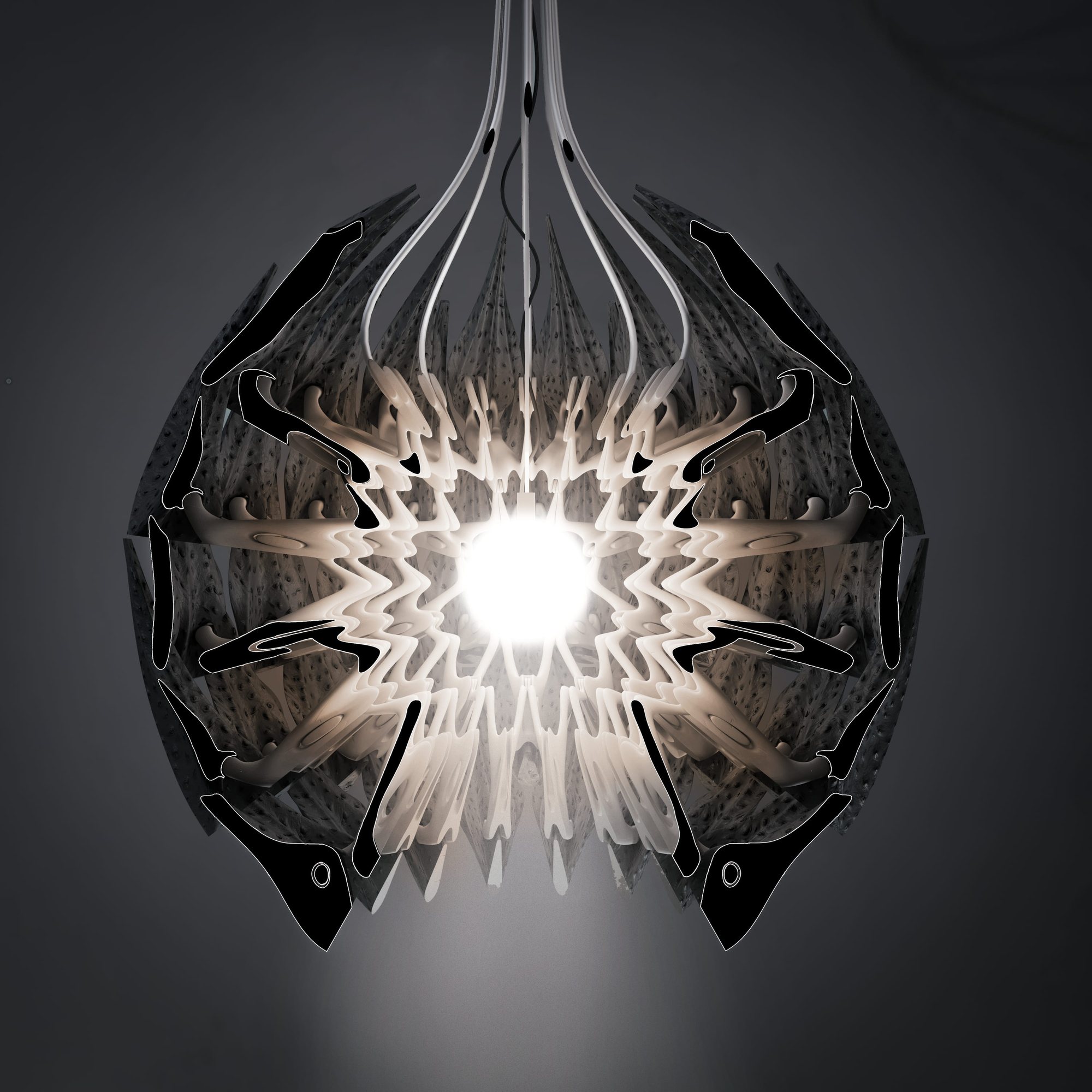
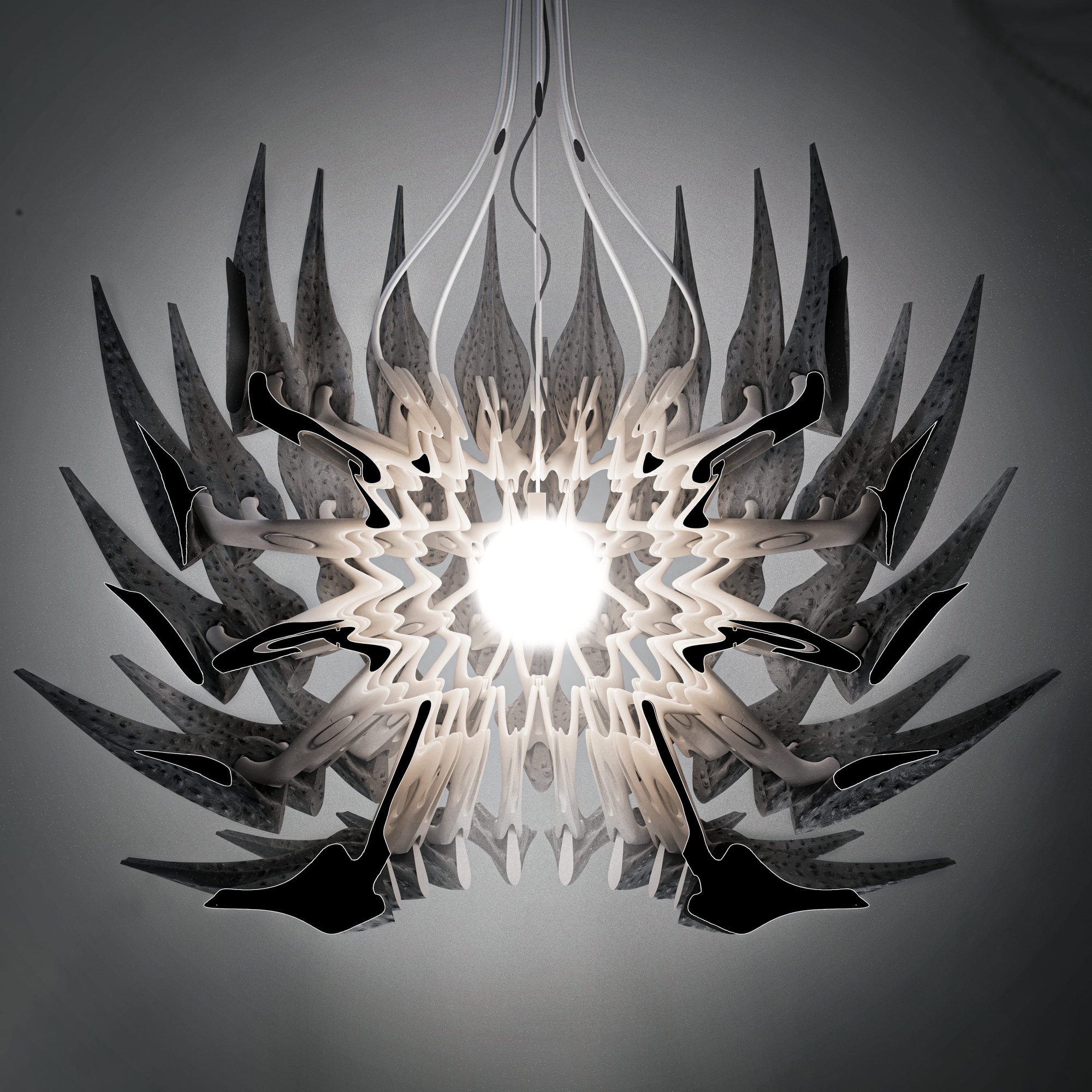
Section through the closed lampSection through the lamp, opened
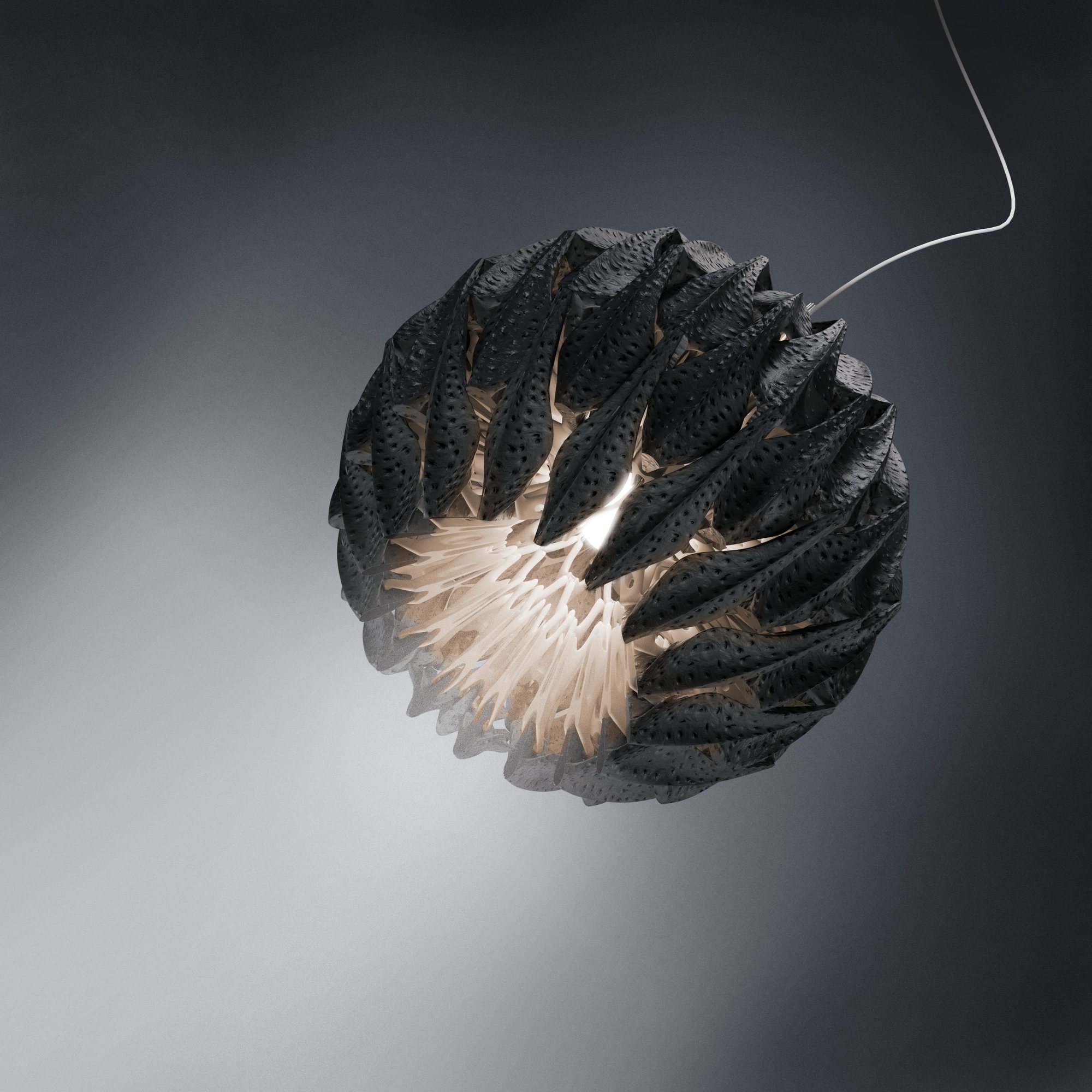
The lamp lit from within, shell parted
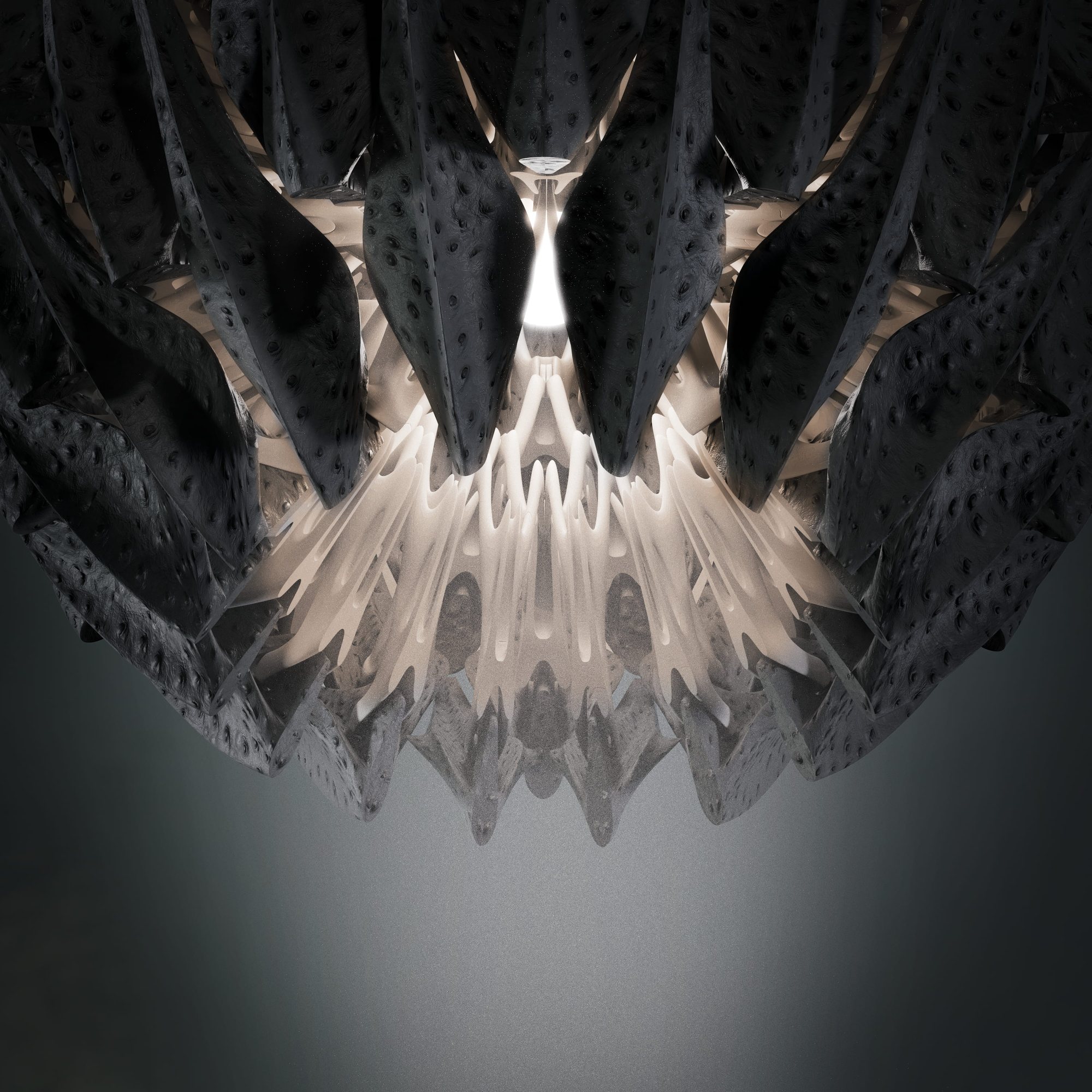
Detail of the shell segments
The lamp seen from below
The lamp from the side, shell open
Top-down view of Xanthium Lamp with light emitting from the inside and radially arranged components
05 / 07

Opening

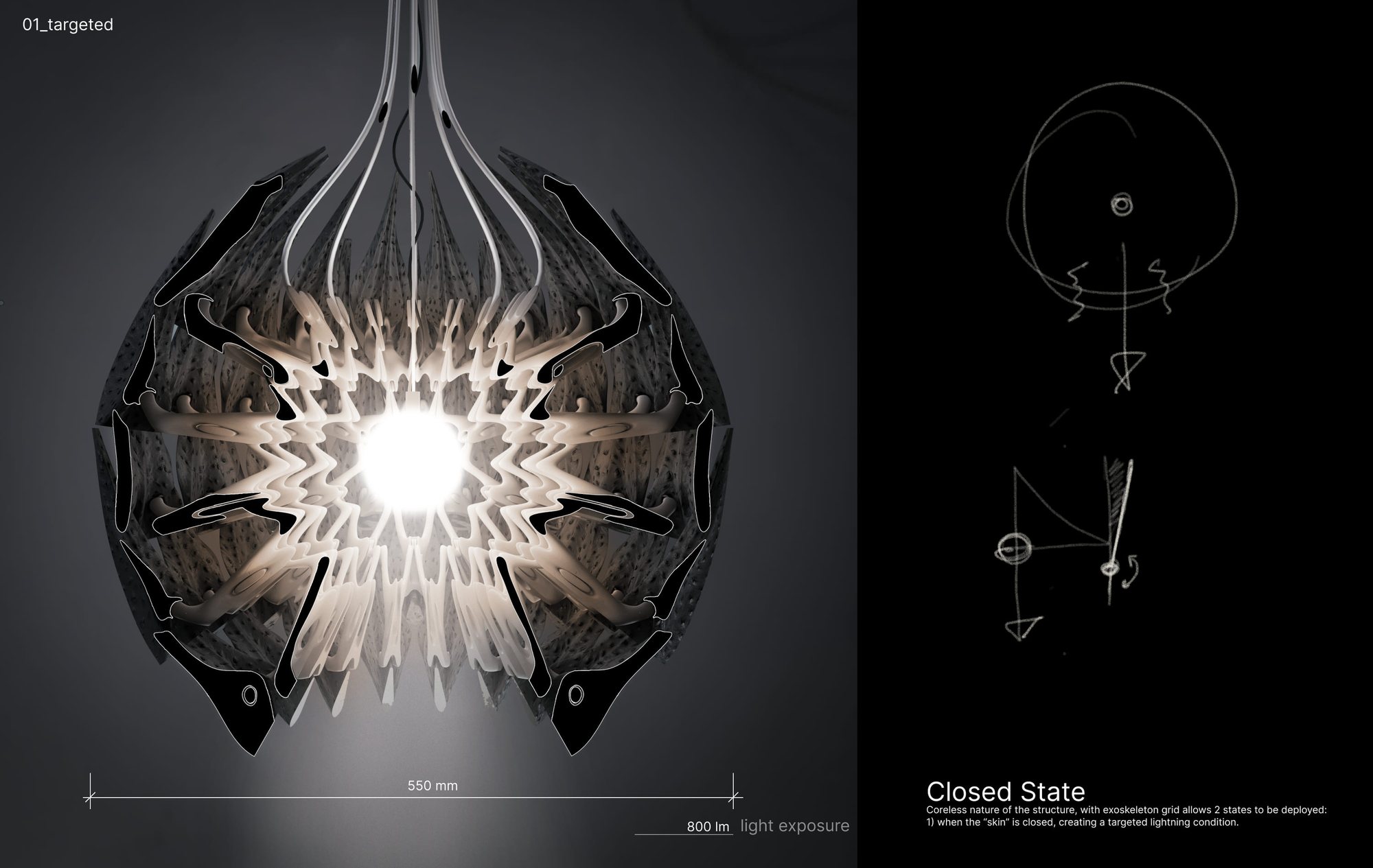
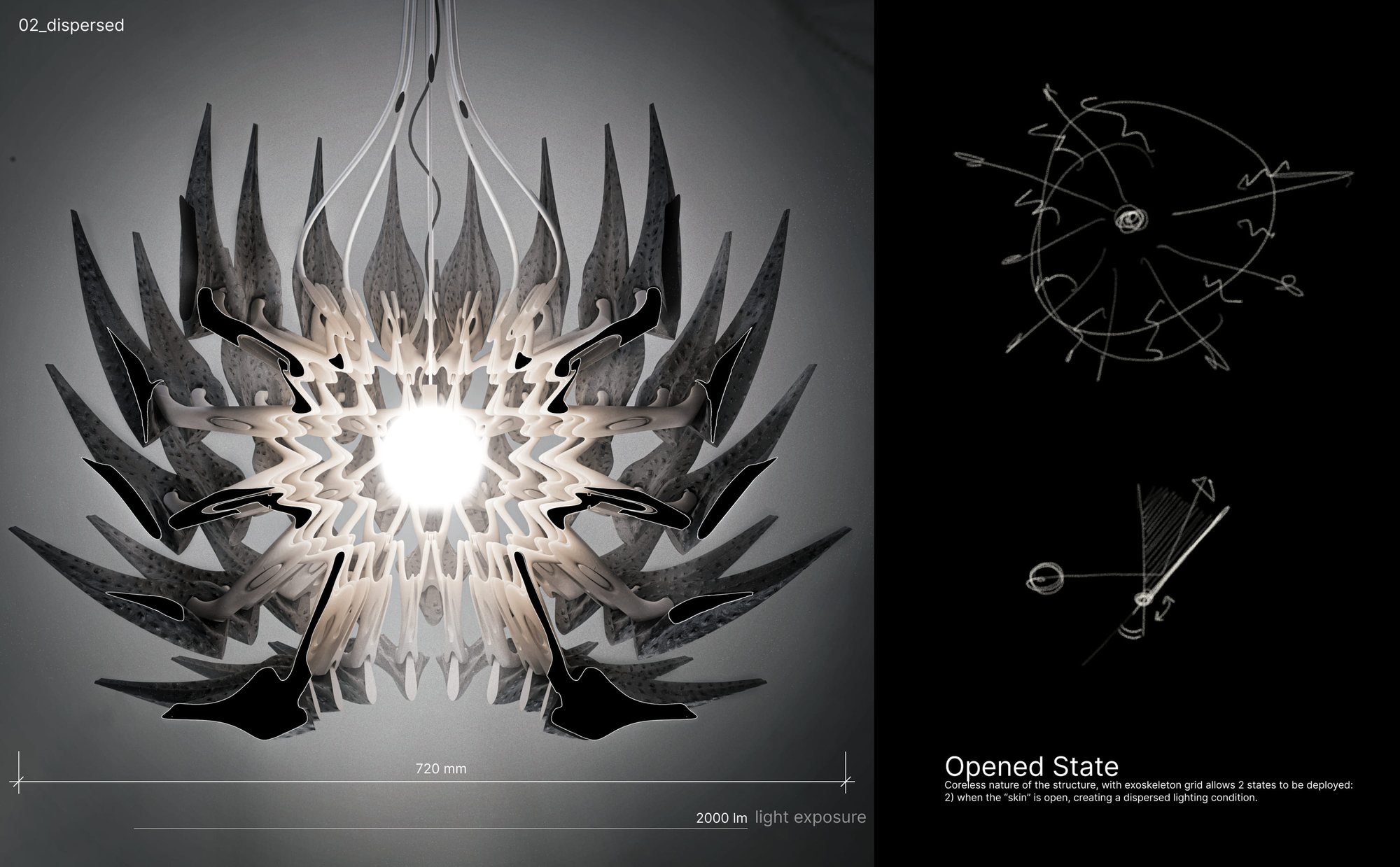
Diagram of the lamp closedDiagram of the lamp opened
Loop
The shell opening, one cycle
Xanthium Lamp, closed state, the light is directed downwardsXanthium Lamp, semi-open state, the light is mixedXanthium Lamp, fully opened, the light is filling the whole space around
opening states
06 / 07

Assembly

From the early stages of the design process, fabrication was a key consideration. To ensure efficient and rapid production with minimal material waste, the modules were designed to be support-free. This was achieved by incorporating a flat base surface, while the remaining geometry was angled.

The radial morphing of the elements supports this concept by generating angled geometries that are oriented towards the center, optimizing both structure and printability.

LoopLoop
Loop
Slicing with Bambu Studio shows how the module is oriented flat on a printing bed to optimize material efficiency and ensure stable printing process.
07 / 07

In place

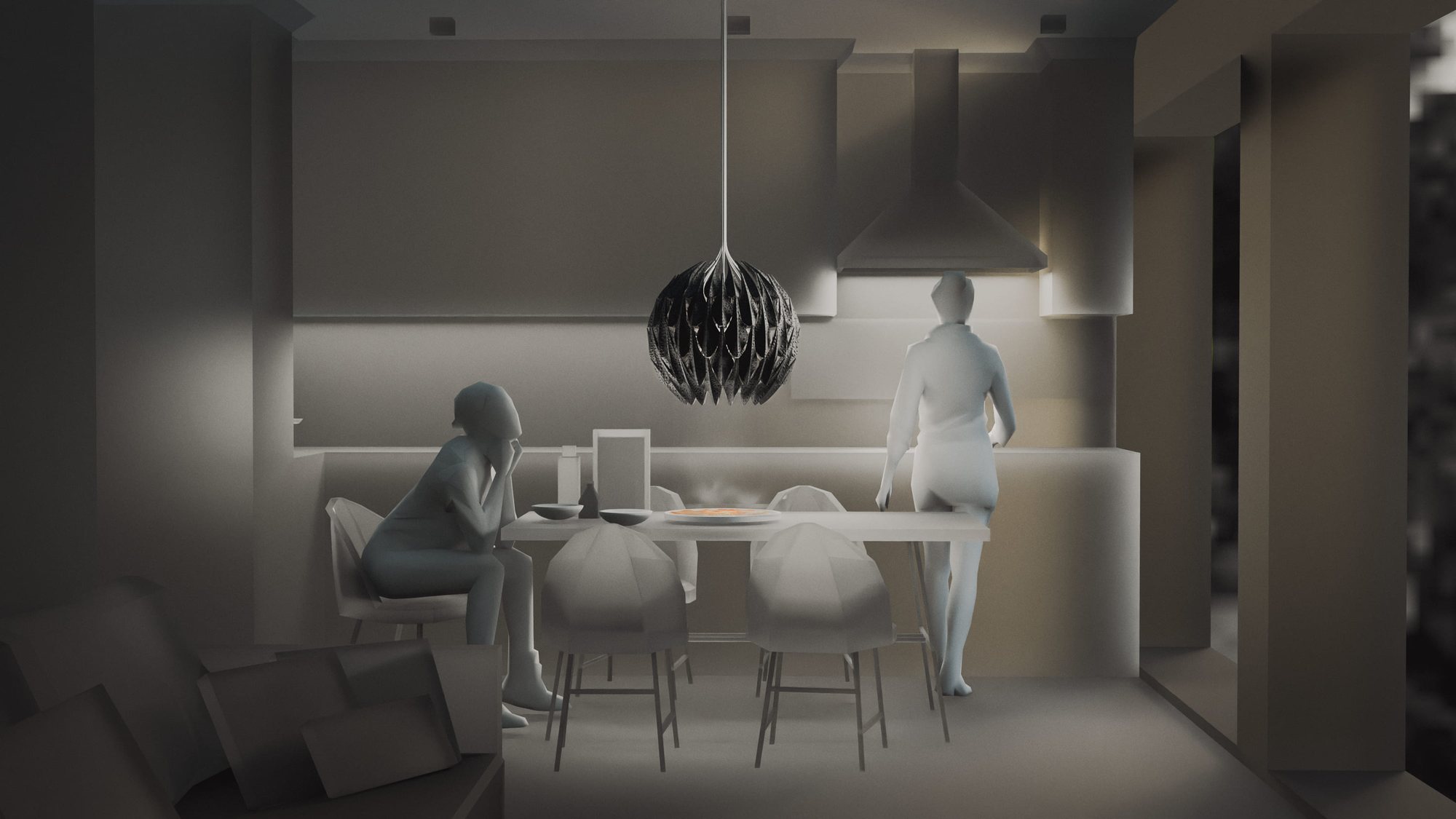
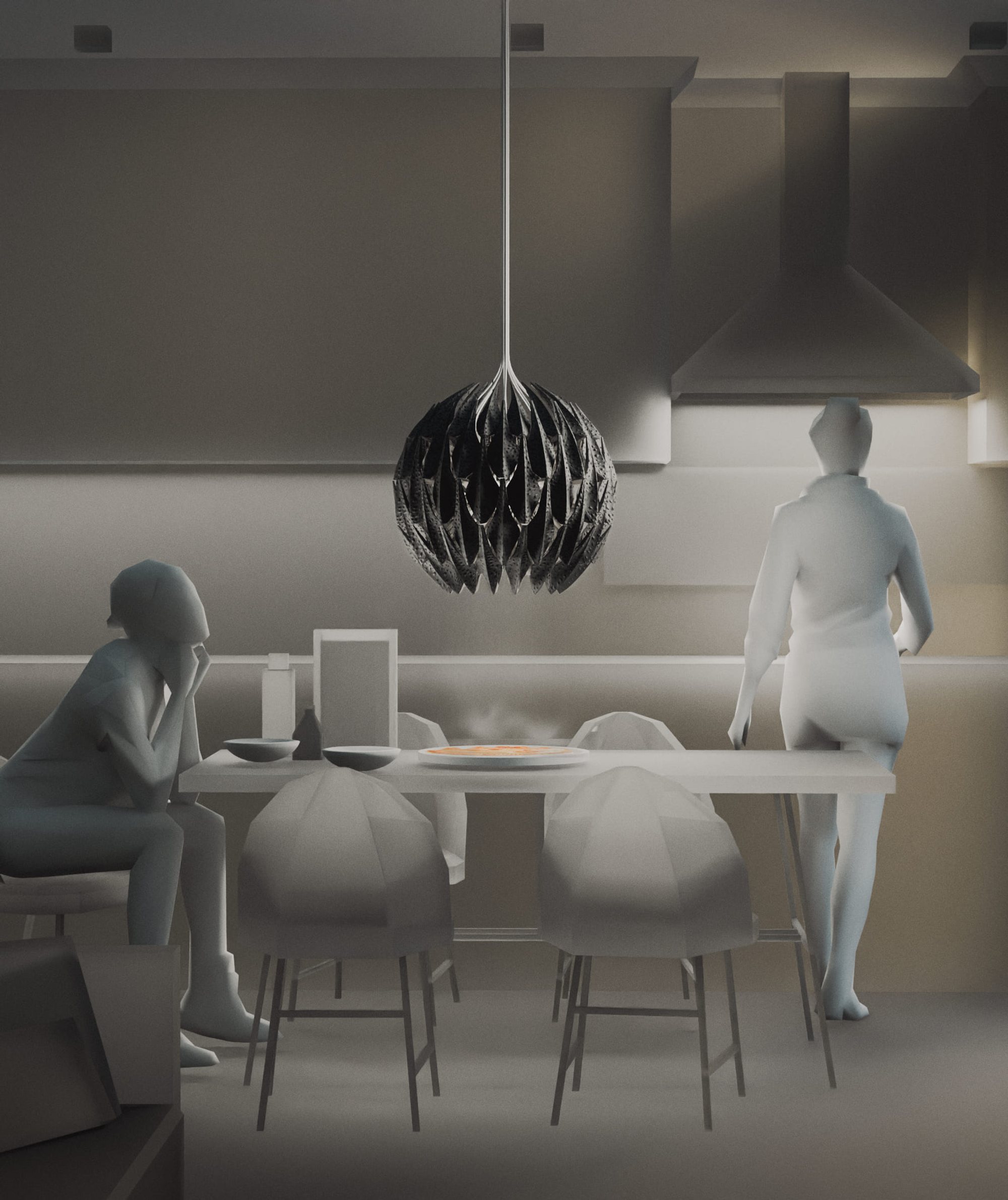
Placed within a domestic setting, the striking form creates an element of surprise and curiosity, inviting passersby to pause and interact.

The lamp hanging above a kitchen counter
xanthium Lamp placed in the domestic environment of the kitchen, contrasting with the surroundings, rendering